
Recipes
Homemade Mustard: Easy Recipe with Seeds (and Variations)
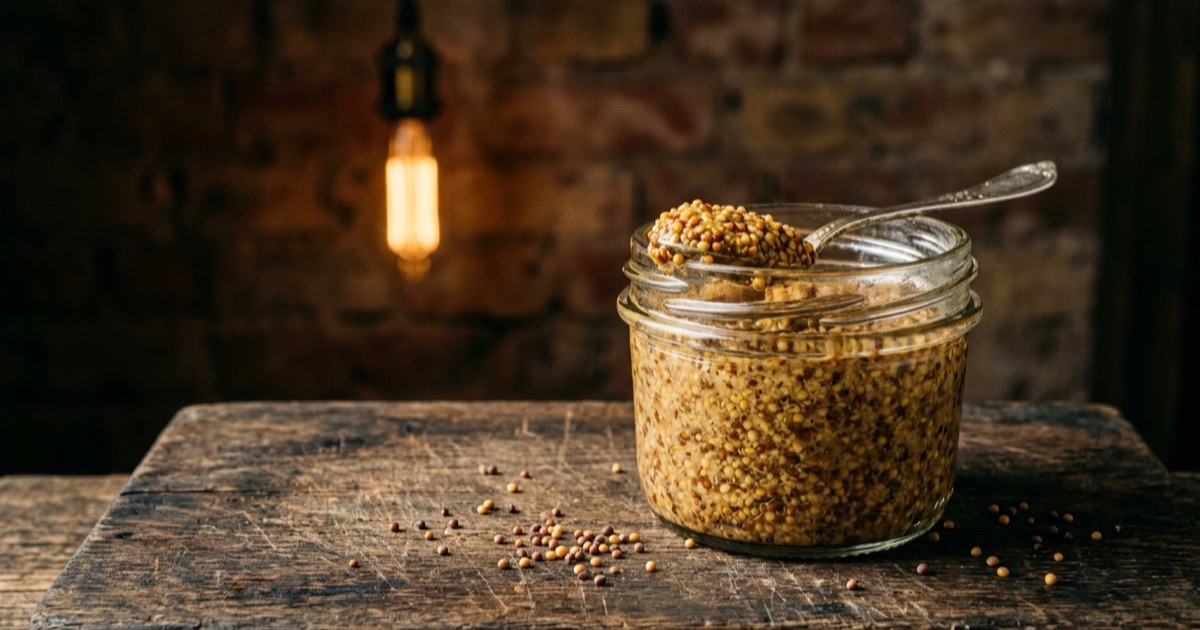
Homemade Mustard: Easier Than You Think
I’m Andrés Valerio, Venezuelan chef and the man behind Valerio Burger Club in El Millón, Santo Domingo. In the VBC kitchen, mustard isn’t just a condiment—it’s an ingredient that transforms sauces and elevates meat. That’s why I want to share with you how to make homemade mustard from scratch. You’ll be surprised how simple it is and how much better it tastes compared to store-bought versions.
The secret is patience. Don’t expect instant results: freshly made mustard is aggressive, almost violent on the tongue. But give it a day or two in the fridge, and magic happens. The flavors round out, the heat tames, and you get a mustard with personality—exactly the way you like it. Ready to give it a try?
Why Make Your Own Homemade Mustard
When you make homemade mustard, you take full control of the process. Want a mild, sweet mustard for spreading on a sandwich? You decide. Prefer a spicy kick that wakes up your taste buds? That’s in your hands too. Plus, you avoid the preservatives, artificial colors, and excess sodium that commercial versions often carry.
The fresh flavor is unbeatable. Freshly ground mustard seeds release essential oils that are lost in packaged products. And on top of that, it’s more economical: with just a few ingredients, you get a jar that lasts weeks. Customizing it is another big draw—you can make it sweet with honey, spicy with chiles, or old-fashioned with whole seeds. Once you try homemade, there’s no going back.
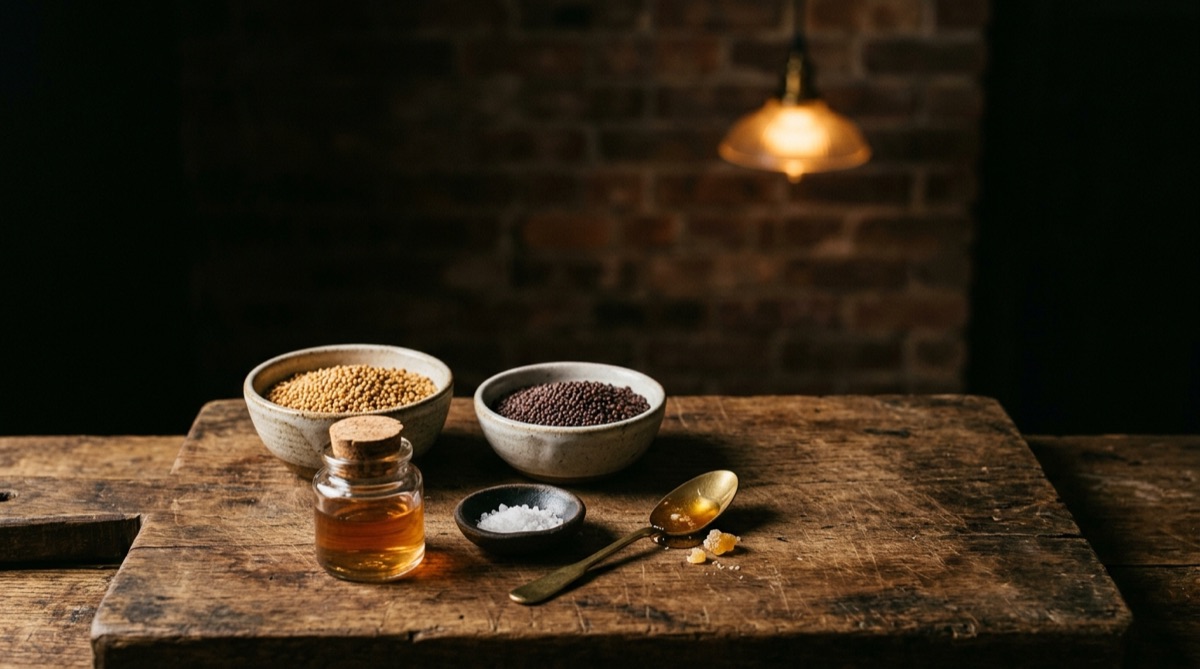
Ingredients
| Ingredient | Amount |
|---|---|
| Yellow mustard seeds (mild) | 3 tablespoons |
| Brown or black mustard seeds (spicy) | 2 tablespoons |
| White wine vinegar or apple cider vinegar | 4 tablespoons |
| Water (cold or warm, depending on desired heat) | 3 tablespoons |
| Salt | ½ teaspoon |
| Sugar or honey | 1 teaspoon |
| Turmeric powder (optional, for color) | ¼ teaspoon |
Alternative: if you can’t find seeds, you can use 5 tablespoons of mustard powder, though the result will be less textured.
How to Make Mustard: Step-by-Step Homemade Mustard Recipe
-
Soak the seeds. In a small bowl, combine the yellow and brown mustard seeds with the vinegar and water. Cover with plastic wrap and let sit at room temperature for 24 to 48 hours. The seeds will hydrate and soften, making them easier to blend.
-
Blend or mash. After soaking, pour the mixture into a blender or food processor. Pulse until you reach your desired texture. For a smooth Dijon-style mustard, blend until creamy. For a whole-grain mustard, process just a few seconds, leaving some seeds whole or partially crushed.
-
Adjust the flavor. Add the salt, sugar or honey, and turmeric if using. Taste and adjust: if you want more acidity, add a few drops of vinegar; if you prefer more sweetness, a little more honey. If the mixture is too thick, you can add a tablespoon of water.
-
Patience, chef. This step is key: freshly made mustard tastes very spicy and slightly bitter. Don’t panic. Transfer it to a glass jar with an airtight lid and refrigerate for 1 to 2 days. During that rest, the flavors mellow and meld.
-
Store properly. Once rested, your homemade mustard is ready. It keeps well for 2 to 4 weeks in the fridge, always in a tightly sealed jar.
Variations of Homemade Mustard
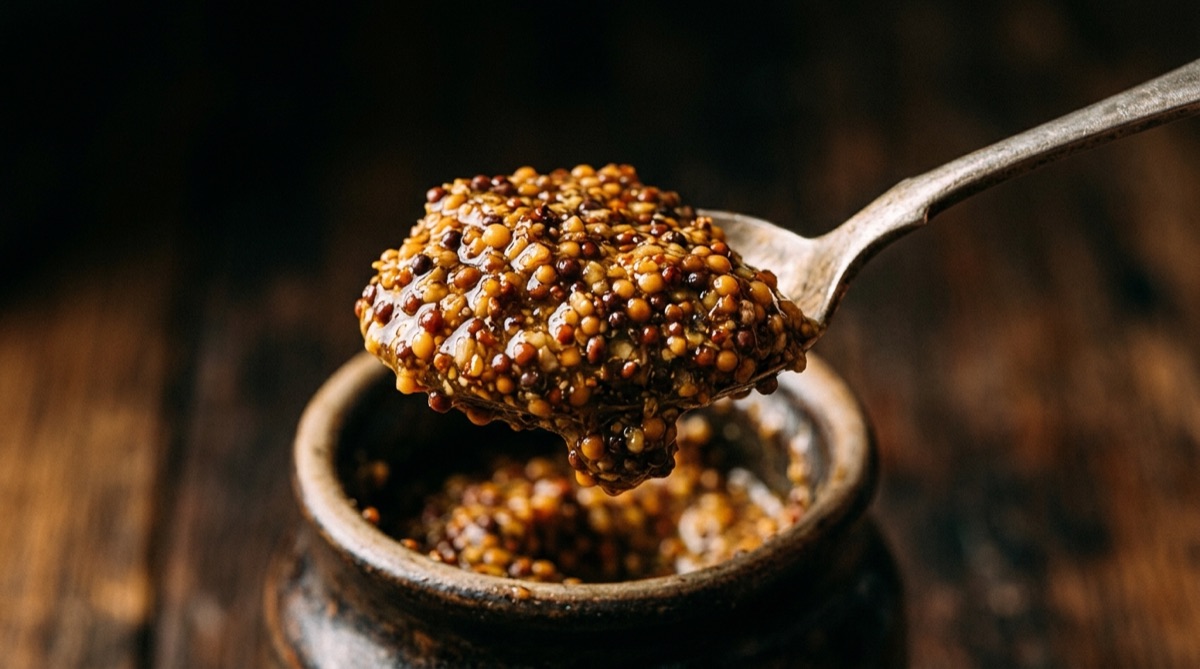
Whole-Grain Mustard
For this version, don’t blend too much. Leave most of the seeds whole or only lightly crushed. The result is a rustic mustard with a crunchy texture, perfect for spreading on grilled meats or sausages.
Dijon Mustard Recipe
Use only brown or black seeds, and replace some of the water with dry white wine. Blend until you get a very fine, smooth paste. It’s spicier and more acidic, ideal for vinaigrettes or alongside a good steak.
Sweet Mustard / Honey Mustard
Add 2 tablespoons of honey instead of sugar. You can use yellow seeds for a milder profile. It’s the ideal base for a caramelized onion, honey mustard burger, or as a dip for nuggets.
Spicy Mustard
Increase the proportion of brown or black seeds (for example, 4 tablespoons brown and 1 yellow). Use cold water instead of warm, since cold intensifies the heat. If you’re daring, add a pinch of chili powder.
Tips and Storage
- Cold water intensifies the heat of the mustard; warm or hot water softens it. Vinegar and heat also reduce pungency. Play with these factors based on your tolerance.
- Don’t skip the fridge rest. It’s the step that transforms a harsh mustard into a balanced, flavorful one.
- Homemade mustard keeps for 2 to 4 weeks in an airtight jar in the fridge. If it darkens over time, that’s normal—the essential oils react with air.
- To extend its shelf life, always use a clean spoon when serving and avoid contaminating it with crumbs or leftovers from other foods.
At Valerio Burger Club
At VBC, mustard isn’t just a sidekick—it’s part of our identity. Our Le Smash burger features a creamy Dijon aioli that gives it that signature punch, balancing the juiciness of the meat with a tangy, slightly spicy kick. A good homemade mustard is the base of that sauce, and also of the ketchup, mayo and mustard sauces that bring so much to a burger.
If you want to taste the result of our work, we’re waiting for you in El Millón, Santo Domingo. You can also order delivery and enjoy a Le Smash at home. And if you make your own mustard, tell me how it turned out. I’m sure you’ll never buy it again.
Frequently Asked Questions About Homemade Mustard
How do you make homemade mustard?
Soak mustard seeds in vinegar and water for 24–48 hours, then blend with salt and a touch of sugar or honey. Let it rest in the fridge for 1–2 days so the flavors mellow and meld.
Why does my homemade mustard taste bitter?
That’s normal. Freshly made mustard contains sulfur compounds that give it a very spicy and slightly bitter taste. After resting in the fridge, these compounds transform and the flavor becomes rounder and smoother.
How long does homemade mustard last?
In an airtight jar in the fridge, it keeps for 2 to 4 weeks. If you see mold, a bad smell, or a drastic color change, discard it. Always use clean utensils to extend its shelf life.
What seeds are used for mustard?
Yellow seeds are mild and sweet; brown or black seeds are spicier and more aromatic. You can combine them depending on the heat level you want. Mustard powder is also available—it’s more convenient but gives less texture.
How do you make mustard more or less spicy?
For more heat, use more brown/black seeds and cold water. For less heat, use only yellow seeds, warm or hot water, and add a little more vinegar or honey. The resting period also reduces intensity.
From the blog to your table
In Santo Domingo? Don't read on an empty stomach.
Order your favorite burger from Valerio Burger Club and we’ll deliver it to your door. Beef ground daily, artisan buns and house-smoked meats.
Keep reading
 Recipes
 Brioche Burger Buns: The Chef's Recipe
How to make brioche burger buns step by step: ingredients in grams, kneading, fermentation, and the egg wash. The soft, golden crumb that holds up to the sauce.
 Recipes
 Air Fryer Burgers: Juicy Patties, Time and Temperature
How to make burgers in an air fryer step by step: the ideal temperature (375°F/190°C), the times for each doneness, and the tips for juicy patties.
 Recipes
 Picanha with Chimichurri: Recipe & Perfect Grill Pairing
How to grill picanha and serve it with a perfect chimichurri: why they pair so well, the step-by-step chimichurri recipe, and how to serve picanha at its best.