
Recipes
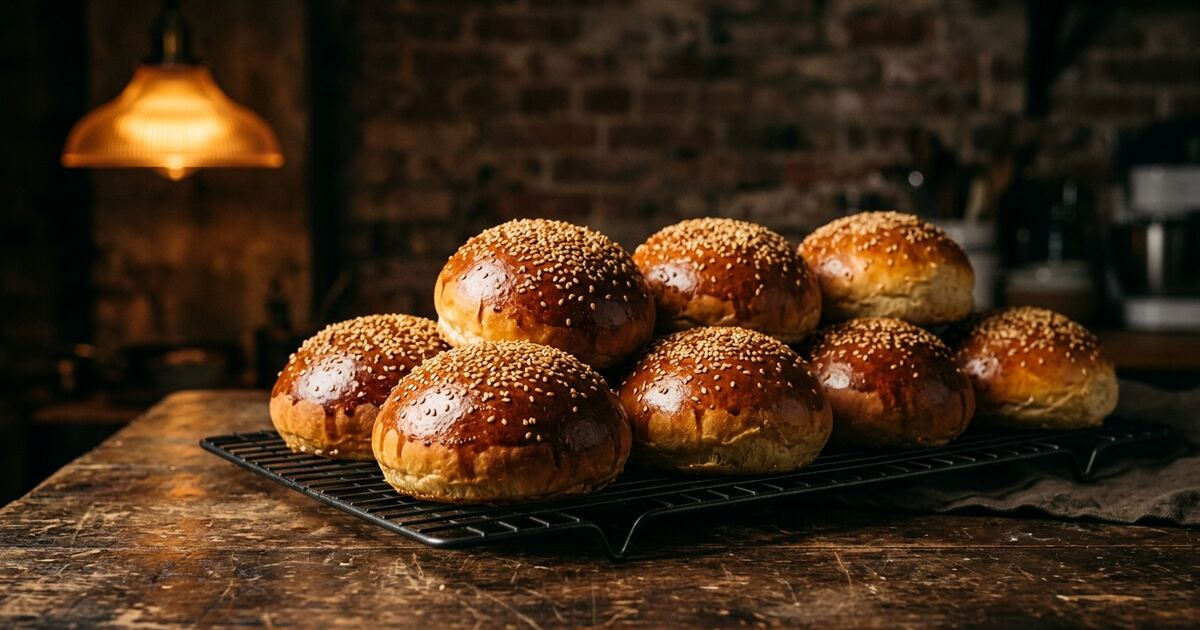
Brioche Burger Buns: The Chef's Recipe
I’ll admit something: for years I searched for the perfect burger bun. I tried everything — store-bought brioche, special bakery breads, even artisan bakeries — and none of them fully convinced me. Either they were too sweet, or they fell apart with the sauce, or they simply didn’t have that soft, golden crumb I wanted. So I decided to make my own. And today I’m going to show you exactly how I make it.
This brioche is the classic enriched kind: butter, egg, milk. A soft crumb with body, golden on the outside, and that just-right touch of sweetness that complements without competing with the meat. No light breads here —if you’re after a higher-fiber version, check out my healthy whole-grain buns—. We’re talking about an indulgent bun, one that gives personality to a good burger.
What Makes This Brioche Special
The difference between a good brioche and a mediocre one comes down to three things: ingredient quality, fermentation time, and how we handle the fat during kneading.
This bread uses a generous amount of butter — let’s not kid ourselves, it’s a high-fat bread — and that’s what gives it such a tender crumb and those deep flavors. The egg provides color and structure, while the milk adds moisture and a shinier crust.
At Valerio Burger Club, our brioche is long-fermented and made in house. That means the gluten develops slowly, the flavors become more complex, and the result is a bun that holds every burger on our menu perfectly without falling apart. It’s exactly the one that stands up to a double patty burger with its crust and double melted cheese.
Ingredients
For 8 small buns (burger size):
- 500 g bread flour
- 10 g salt
- 60 g sugar
- 10 g fresh yeast (or 3.5 g dry yeast)
- 3 medium eggs (approximately 150 g)
- 120 ml whole milk
- 180 g butter at room temperature
Cup equivalents (approximate measurements):
- 500 g flour = approximately 4 cups
- 180 g butter = ¾ cup + 2 tablespoons
- 120 ml milk = ½ cup
- 60 g sugar = ¼ cup + 2 tablespoons
Step-by-Step Kneading
This is where many people go wrong. Kneading brioche isn’t like kneading regular bread. We don’t want to develop too much gluten, because the goal is a tender crumb, not an elastic loaf.
-
Mix the dry ingredients. In a large bowl, combine the flour, sugar, salt, and yeast (if using dry yeast, add it with the flour; if using fresh yeast, crumble it with your fingers first).
-
Incorporate the liquids. Make a well in the center and add the eggs and milk. Mix with a wooden spoon or by hand until a rough, sticky dough forms.
-
The first rest. Cover the bowl with plastic wrap and let it rest for 30 minutes. This autolysis allows the flour to absorb the liquids and makes kneading easier.
-
Add the butter. Take the dough out of the bowl and place it on a clean surface. The butter should be soft, not melted. Add it in pieces and begin incorporating it, working the dough with your hands. At first it seems impossible to get it to blend in, but be patient: in about 5-7 minutes the dough becomes smooth and shiny.
-
Final kneading. Work the dough for another 3-4 minutes until it’s smooth and easily releases from the surface. It doesn’t need the gluten development typical of French bread; here we want a workable but not elastic dough.
Fermentation
Fermentation is where the magic happens. We can’t speed up this process without losing quality.
First fermentation (bulk fermentation): Place the dough in a lightly greased bowl, cover with plastic wrap, and let it rest at room temperature (22-24°C / 72-75°F) for 1.5 to 2 hours, or until it has doubled in volume. If your kitchen is cold, you can use the oven with the light on (oven off), which creates a warm environment.
Dividing and resting: Once risen, turn the dough out onto a floured surface, divide into 8 portions of approximately 110 g each. Form loose balls, place them on a tray spaced apart, cover with a cloth, and let rest for 15 minutes. This rest makes the final shaping easier.
Second fermentation (shaped balls): After resting, carefully shape each portion into a ball — tucking the edges underneath to create a smooth surface — and place them on a tray lined with parchment paper, spaced about 5 cm apart. Cover and let ferment again for 1 hour, or until they’ve nearly doubled in size and are touching each other.
Shaping and Egg Wash
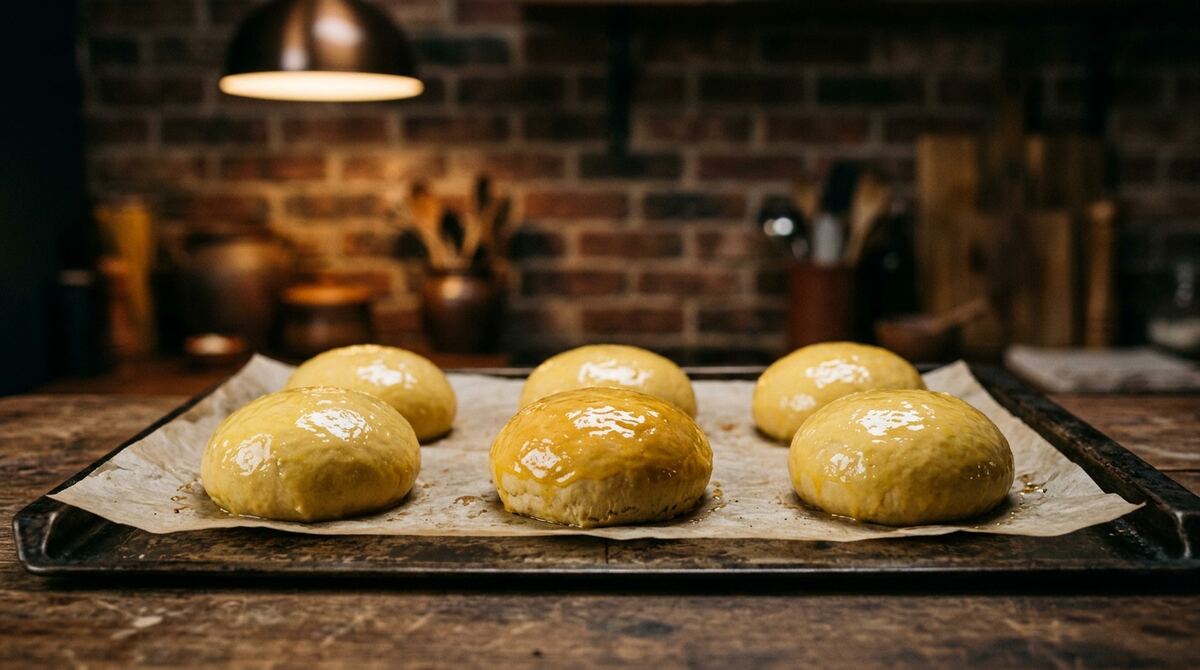
Shaping is simple but important. Take each portion, flatten it slightly with your palm, then fold the edges toward the center as if making an envelope. Flip over and rotate on the surface, pressing lightly with your palm in circular motions until you form a smooth ball.
For the egg wash, beat an egg with a pinch of salt and a tablespoon of milk. Using a pastry brush, apply an even layer over each ball. This not only gives it that beautiful golden color, but also creates a slightly shiny, smooth-to-the-touch crust.
Before baking, you can sprinkle some sesame seeds or poppy seeds on top if you like. I love plain sesame seeds.
Bake in a preheated oven at 180°C (350°F) (conventional oven, not fan-assisted) for 15-18 minutes, or until golden on top. Remove and let cool on a wire rack. Resist the temptation to cut them open while hot: they need to cool so the crumb can set.
Common Mistakes
Butter too cold or too warm. If it’s cold, it won’t incorporate well; if melted, it makes the dough oily and heavy. It should be at room temperature, soft to the touch.
Over-kneading. If you work the dough too much, the gluten develops too much and the bread becomes tough, not tender. Stop when the dough is smooth and shiny.
Under or over fermentation. If it doesn’t ferment enough, the bread is dense and flavorless. If it ferments too much, it loses structure and collapses. The right point is when the dough has doubled in volume and when you gently press with your finger, the indentation recovers slowly.
Oven too hot. 180°C (350°F) is the ideal temperature. A hotter oven will brown the surface before the inside cooks, leaving a raw center.
Storage and Freezing
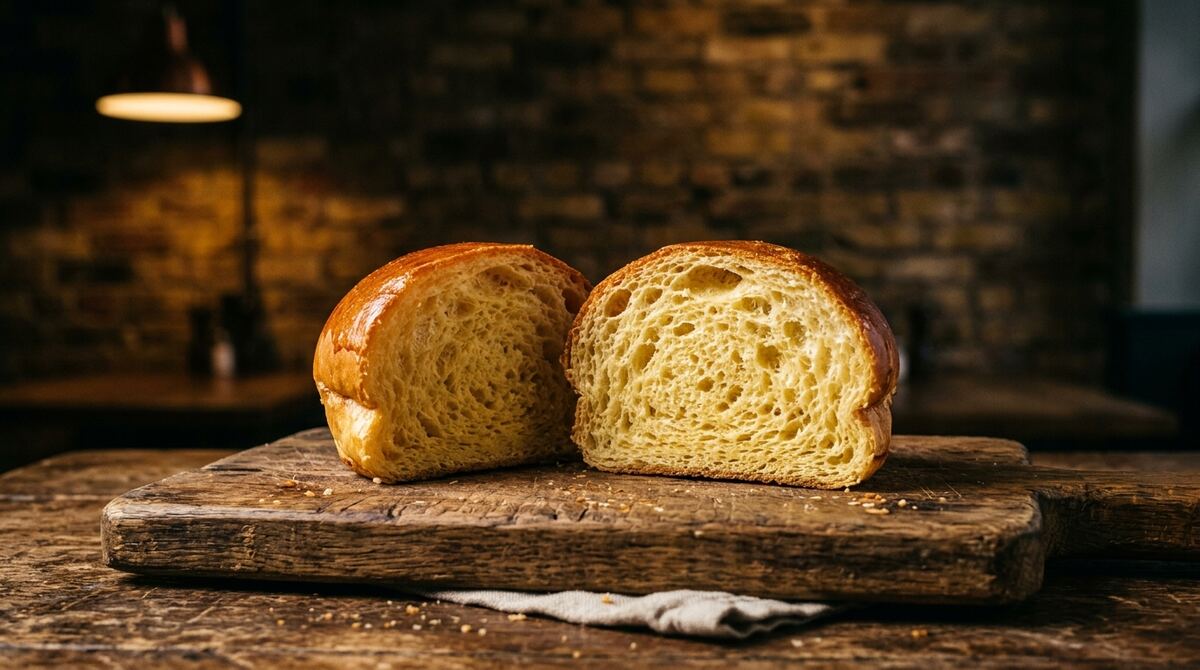
At room temperature: In a paper bag or open container, the brioche stays soft for 2-3 days. Fresh bread is always better, of course.
Freezing: It freezes perfectly. Let it cool completely, then store in a freezer bag with a seal, removing all the air. It keeps well for up to 2 months.
To thaw, simply leave at room temperature for 2-3 hours, or warm in the oven at 150°C (300°F) for 5-8 minutes. They come out almost like freshly baked.
Frequently Asked Questions
Can I use unsalted butter?
Yes, the difference is minimal. If you use salted butter, reduce the salt in the recipe to 8 g.
What if I don’t have bread flour?
You can use all-purpose flour, but the result will be slightly less fluffy. Bread flour has more gluten and holds the fermentation better.
Can I make the dough the day before and bake the next day?
Yes, you can do the first fermentation, then refrigerate the dough overnight (up to 12 hours), and bake the next day after letting it come to room temperature and complete the second fermentation. This also develops more flavor.
Why does my brioche end up flat?
Probably the second fermentation was too long or the gluten didn’t develop enough. It could also be that the oven wasn’t hot enough when you put it in.
Can I add flavors to the brioche?
Absolutely. You can add lemon or orange zest, cinnamon, or even grated cheese to the dough. Just maintain the liquid proportions.
From the blog to your table
In Santo Domingo? Don't read on an empty stomach.
Order your favorite burger from Valerio Burger Club and we’ll deliver it to your door. Beef ground daily, artisan buns and house-smoked meats.
Keep reading
 Recipes
 Homemade Mustard: Easy Recipe with Seeds (and Variations)
How to make homemade mustard from scratch: ingredients, the step-by-step method, the variations (whole-grain, Dijon, honey mustard, spicy) and how to store it.
 Recipes
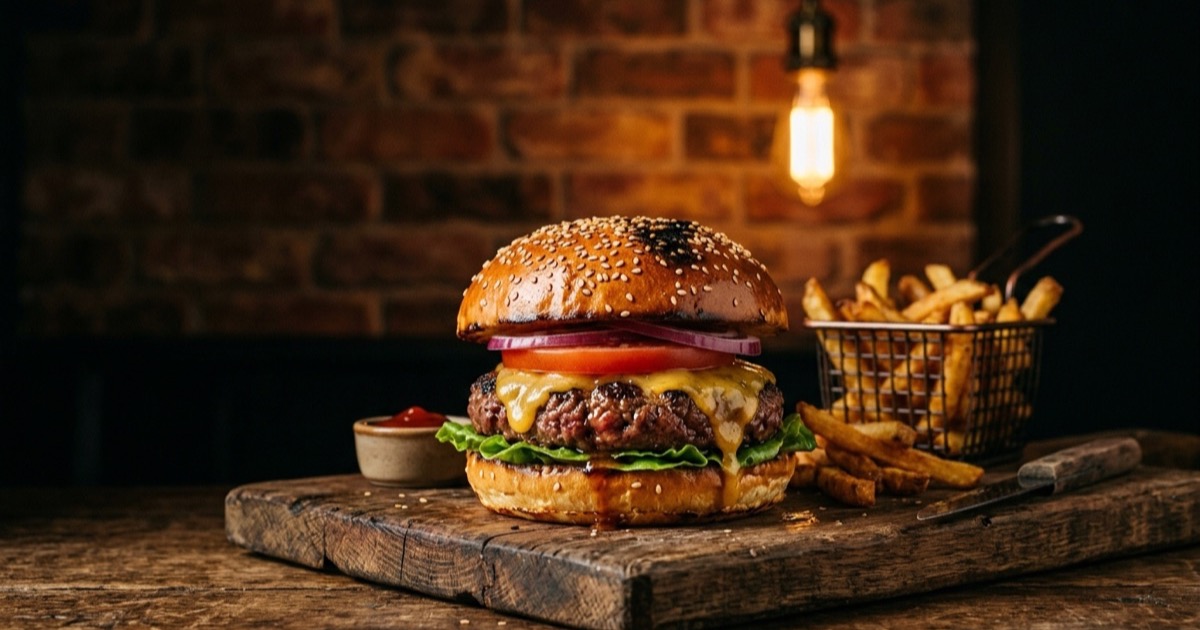
 Air Fryer Burgers: Juicy Patties, Time and Temperature
How to make burgers in an air fryer step by step: the ideal temperature (375°F/190°C), the times for each doneness, and the tips for juicy patties.
 Recipes
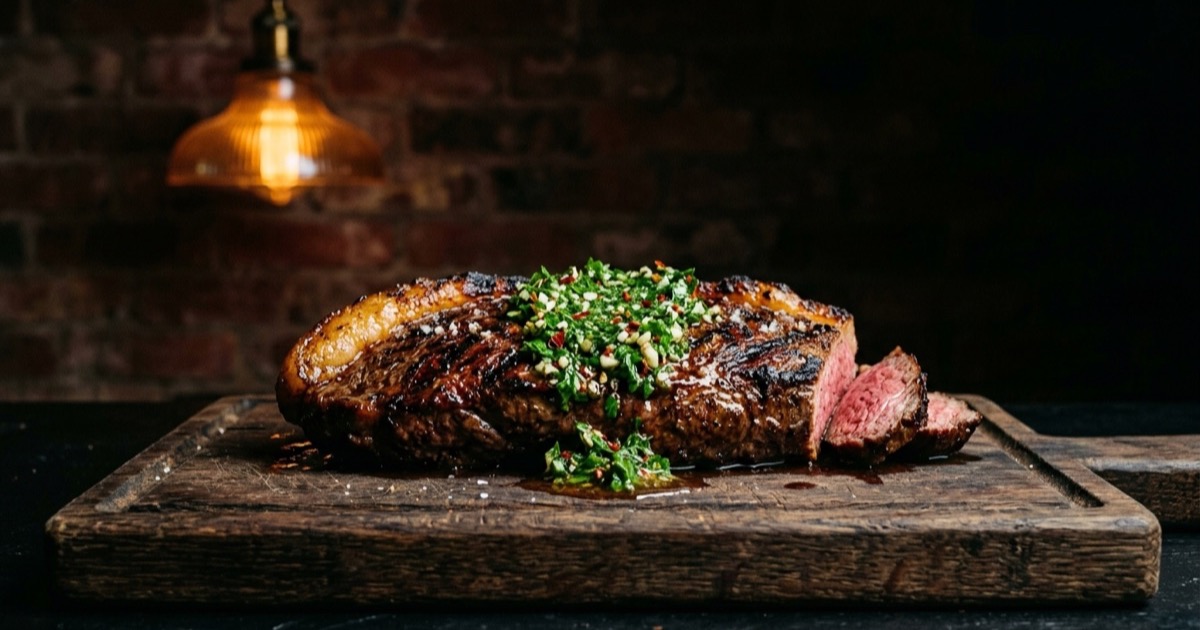
 Picanha with Chimichurri: Recipe & Perfect Grill Pairing
How to grill picanha and serve it with a perfect chimichurri: why they pair so well, the step-by-step chimichurri recipe, and how to serve picanha at its best.