
Guides
How Many Names Has Hispaniola Had?
How Many Names Has the Island of Santo Domingo Had?
If you’ve ever wondered what the island of Santo Domingo is really called, the short answer is that throughout its history, it has received at least six different names. From the names given by the Taíno people—Haití, Quisqueya, and Bohío—to those imposed by the colonizers—La Española (Hispaniola) and isla de Santo Domingo—not to mention the colonial divisions that gave rise to Saint‑Domingue and, later, the present-day Dominican Republic. Follow along—I’m Andrés Valerio, chef at Valerio Burger Club, and today I’m sharing a story you can taste in every bite of our land.
The Taíno Names: Haití, Quisqueya, and Bohío
Before Christopher Columbus arrived in 1492, the Taíno—the island’s original inhabitants—had already given their home a name of its own. According to 16th-century Spanish chroniclers, three terms in particular are documented:
- Haití: This is the most frequently mentioned in the chronicles. It means “land of mountains” and was used by the Taíno to refer to the entire island. Today, of course, it’s the name of the neighboring republic.
- Quisqueya: It appears in the writings of Pedro Mártir de Anglería, an Italian chronicler who never set foot on the island but collected accounts from early explorers. Quisqueya translates as “mother of all lands.” However, modern historians debate whether the Taíno actually used it or if it was the chronicler’s interpretation. Even so, the name remains etched in the Dominican imagination: “Quisqueya la bella” is a beloved verse.
- Bohío: Interestingly, this Taíno word means “house” or “home.” Some chroniclers may have confused the generic term with the island’s name. That’s why, even though it appears in old texts, there’s no consensus that it was a proper name for the whole island.
In short, if a Taíno asked you “what did the Taíno call the island?”, the most honest answer is: Haití, and perhaps Quisqueya too—but with the caveat of the historical debate.
1492: La Española (Hispaniola)
When Columbus arrived, he christened the island La Española, in reference to Spain. In his diaries he wrote “la isla Española.” But it was the chronicler Pedro Mártir de Anglería who, translating the chronicles into Latin, popularized the form Hispaniola. This Latinized name spread throughout Europe and today is the international geographical term for the island. In fact, on current United Nations maps and in scientific literature, the island appears as Hispaniola (La Española).
The Name That Stuck: Isla de Santo Domingo
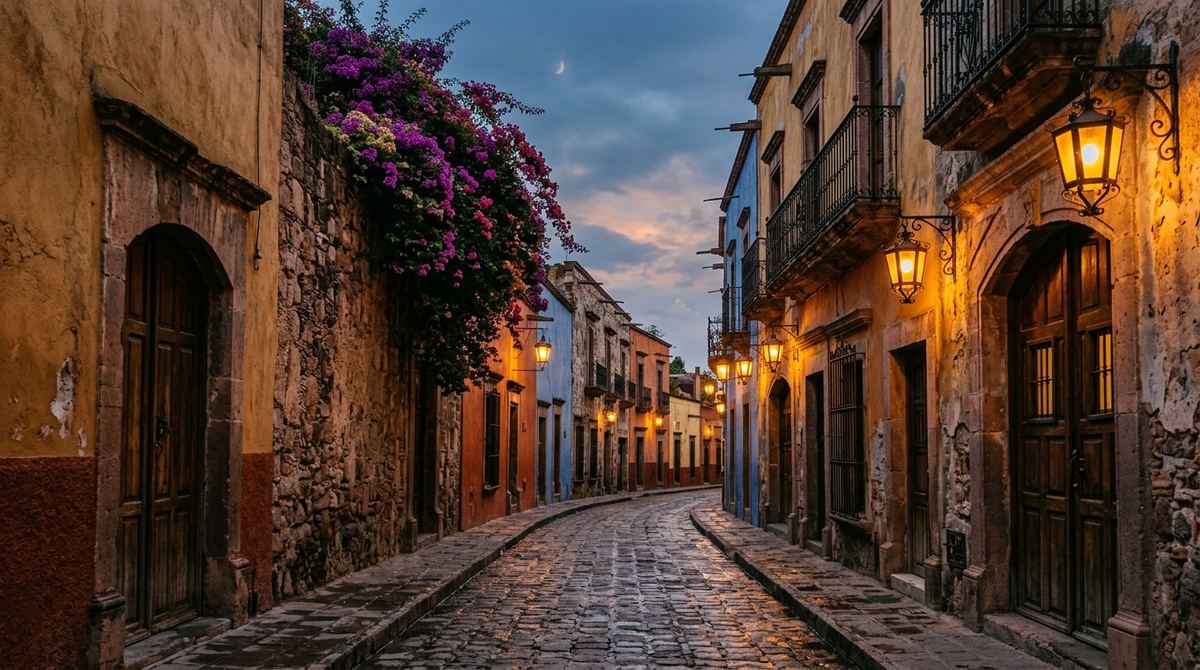
As the years passed, the city of Santo Domingo—founded by Bartolomé Colón between 1496 and 1498—became the seat of colonial power and the oldest European city in the Americas. Its importance was such that during the 16th and 17th centuries, people began calling the entire island “isla de Santo Domingo.” It wasn’t an official name, but a popular usage that has survived to this day. For Dominicans, “isla de Santo Domingo” remains the traditional and affectionate way to refer to our territory.
One Island, Two Colonial Names: Santo Domingo vs. Saint‑Domingue
In 1697, the Treaty of Ryswick divided the island: the western third fell to the French and was called Saint‑Domingue; the rest, under Spanish control, continued to be Santo Domingo. Thus, for more than a century, the same island had two names, each corresponding to a European power.
- 1804: The French colony gained independence and reclaimed the Taíno name: Haití.
- 1844: The eastern side proclaimed its independence and the Dominican Republic was born, although earlier—in 1821—it had a brief period as “Haití Español” under José Núñez de Cáceres.
Since then, the island has housed two nations: Haiti and the Dominican Republic. But the geographic name of the island, for the world, remains La Española (Hispaniola).
The full story of that partition—treaties, the border, and today’s two countries—is in how the island of Santo Domingo is divided.
Timeline of Names
Here’s a quick table showing the evolution of the names:
| Period | Name | Who Used It |
|---|---|---|
| Before 1492 (Taíno) | Haití, Quisqueya (debated), Bohío (possible error) | Indigenous peoples |
| 1492 – 16th century | La Española / Hispaniola | Columbus, chroniclers, European cartography |
| 16th–17th centuries | Isla de Santo Domingo | Spanish and Creole population |
| 1697 – 1804 | Saint‑Domingue (west) / Santo Domingo (east) | French and Spanish colonies |
| 1804 – present | Haití (western nation) | Republic of Haiti |
| 1844 – present | Dominican Republic (eastern nation) | Dominican Republic |
Today, when referring to the entire island, the official geographic name is La Española (Hispaniola). But in everyday Dominican speech, “isla de Santo Domingo” remains perfectly valid and understood.
So What Should You Call It Today?
There’s no single answer, because it depends on context:
- If you’re talking geography or in an international setting, the correct term is La Española (or Hispaniola in English).
- If you’re chatting with Dominicans or want to sound close to our tradition, you can use isla de Santo Domingo without issue. Both terms are correct and have their place.
So next time someone asks you “what is the island of Santo Domingo really called?”, you’ll know the answer is multiple and fascinating.
A Name, A Table
At Valerio Burger Club, we cook in El Millón, in the same city that ended up giving its name to the whole island. The Colonial Zone, with its cobblestone streets and over 500 years of history, is just minutes from our spot. If one day you come to see the oldest city in the Americas, after the historical tour, you can serve yourself dessert: come try one of our gourmet burgers or order delivery. Because here, just like the island, every bite has its own story.
Frequently Asked Questions
How many names has the island of Santo Domingo had?
At least six: Haití, Quisqueya, Bohío (Taíno names), La Española/Hispaniola (Columbus), isla de Santo Domingo (popular usage), and the colonial versions Saint‑Domingue/Santo Domingo.
What did the Taíno call the island?
The most documented name is Haití (land of mountains). There are also references to Quisqueya (mother of all lands), but historians debate whether it was actually used or was a later interpretation. Bohío, meaning house, may have been a misunderstanding by chroniclers.
What is the island really called: Santo Domingo or La Española?
It depends on the context. In international geography, the official name is La Española (Hispaniola). In traditional Dominican speech, isla de Santo Domingo is perfectly acceptable. Both are correct.
What was the first name of the Dominican Republic?
Before being called the Dominican Republic (since 1844), the eastern side had names such as Santo Domingo español (colony), Haití Español (during the brief independence of 1821), and España Boba (a period of instability). But the first official name as an independent nation was República Dominicana.
Why is Haiti called that?
The name Haití comes from the Taíno word and means “land of mountains.” It was reclaimed by the former slaves who gained independence from France in 1804, as an act of reclaiming their indigenous heritage.
From the blog to your table
In Santo Domingo? Don't read on an empty stomach.
Order your favorite burger from Valerio Burger Club and we’ll deliver it to your door. Beef ground daily, artisan buns and house-smoked meats.
Keep reading
 Guides
 How to Spell Hamburger (and the Misspellings to Avoid)
The correct spelling is 'hamburger' — H-A-M-B-U-R-G-E-R. Here are the most common misspellings, why it ends in -er, and where the word comes from.
 Guides
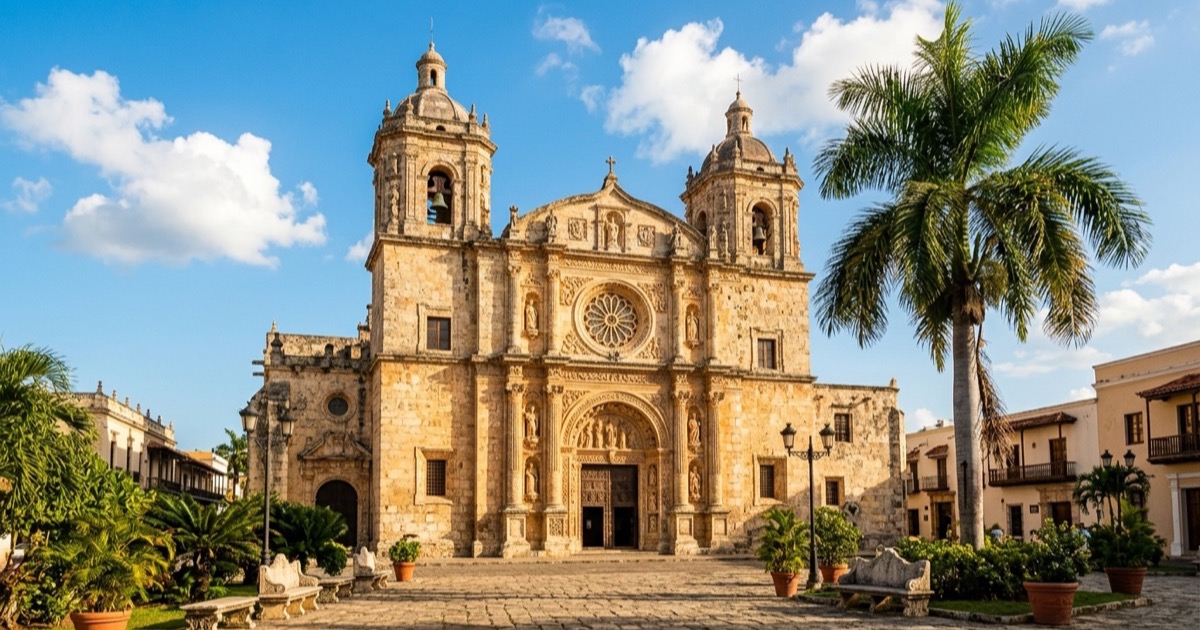
 Historic Places in the Dominican Republic: The Essential Guide
A guide to the historic places of the Dominican Republic: the Colonial City of Santo Domingo (a UNESCO World Heritage Site), the first cathedral in the Americas, Fortaleza Ozama and more.
 Guides
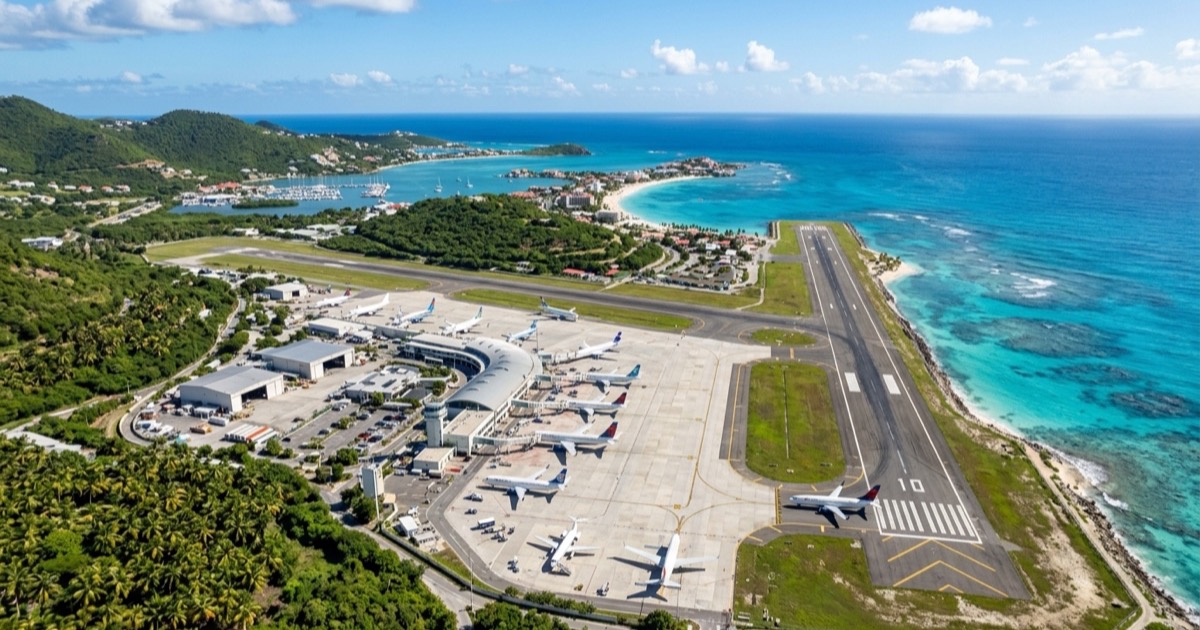
 What Is the Biggest Airport in the Dominican Republic?
The biggest airport in the Dominican Republic by traffic is Punta Cana (PUJ), with ~11 million passengers in 2025. Here's a clear guide to the country's airports.