
Recipes
10 Chimichurri Alternatives for Grilling and Burgers
Why look for chimichurri alternatives?
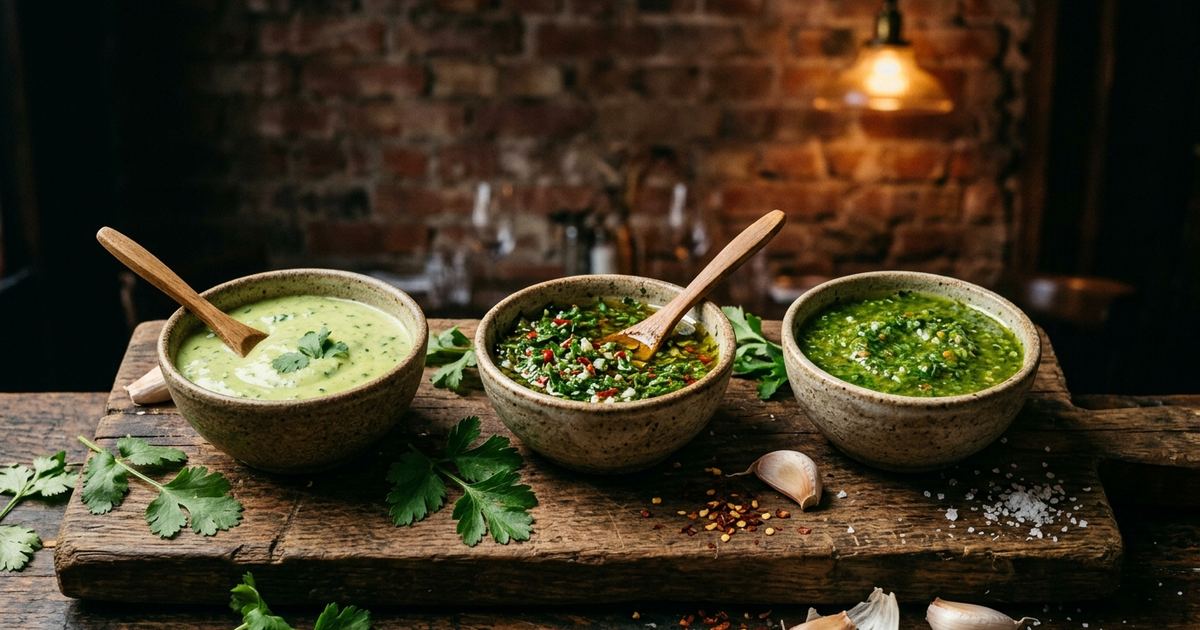
Look, I’m Venezuelan. I grew up with chimichurri as a staple at any self-respecting barbecue. That combo of parsley, garlic, vinegar, and oil is the classic partner of Argentine asado and any grilled cut. But after years in the kitchen, and especially since opening Valerio Burger Club right here in Santo Domingo, I’ve realized there’s a whole universe of green sauces and herb-based sauces that deserve a spot on the table.
At the club, we play with flavors a lot. We try sauces from everywhere: from the creamy guasacaca that reminds me of home, to the Dominican wasakaka that gives local roast chicken a unique touch. If you already have your authentic chimichurri recipe saved and you’re ready to broaden your horizons, this list is for you. Here I’m going to tell you about 10 sauces that are kin to chimichurri, their origins, how they’re different, and which meat they shine brightest with.
Sauce comparison table
| Sauce | Origin | Key ingredients | Flavor profile | Best with |
|---|---|---|---|---|
| Guasacaca | Venezuela | Avocado, bell pepper, cilantro, parsley, vinegar | Creamy, herbaceous, lightly tangy | Grilled meats, burgers, arepas |
| Wasakaka | Dominican Republic | Garlic, bitter orange/lime, parsley, oregano | Citrusy, bold, mildly spicy | Roast chicken, pork, yuca |
| Salsa criolla | Argentina | Tomato, onion, bell pepper, vinegar, oil | Fresh, chunky, sweet-and-sour | Grilled meats, choripán, empanadas |
| Mojo verde | Canary Islands | Cilantro, garlic, cumin, paprika, vinegar | Herbaceous, spiced, lightly spicy | Fish, wrinkly potatoes, meats |
| Genovese pesto | Italy (Genoa) | Basil, pine nuts, garlic, Parmesan, olive oil | Intense, nutty, umami | Pastas, white meats, burgers |
| Gremolata | Italy (Milan) | Parsley, garlic, lemon zest | Citrusy, fresh, no oil | Osso buco, grilled meats, fish |
| Chermoula | Maghreb (North Africa) | Cilantro, cumin, paprika, lemon, garlic | Spiced, aromatic, citrusy | Fish, lamb, roasted vegetables |
| Zhoug/Skhug | Yemen | Cilantro, green chili, cardamom, garlic | Very spicy, herbaceous, intense | Grilled meats, falafel, shawarma |
| Italian salsa verde | Italy | Parsley, capers, anchovy, mustard, vinegar | Salty, umami, tangy | Boiled meats, fish, vegetables |
| Tzatziki | Greece | Yogurt, cucumber, garlic, dill, lemon | Refreshing, creamy, mild | Gyros, souvlaki, grilled meats |
1. Venezuelan guasacaca
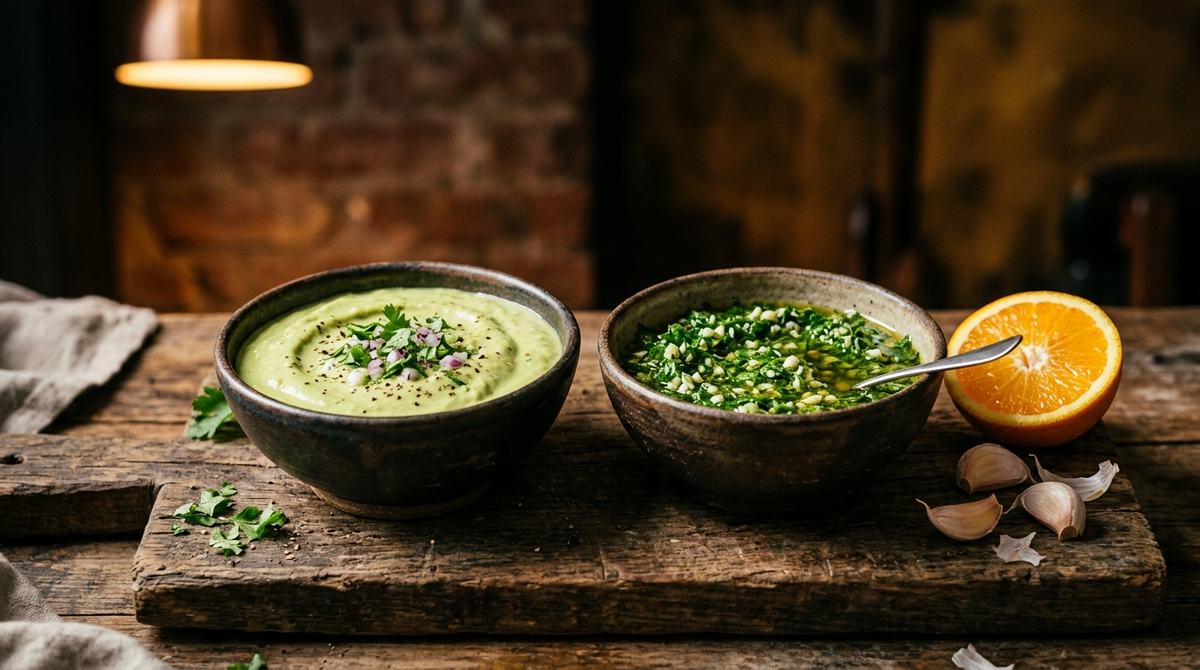
This one’s my personal favorite, and not just because I’m Venezuelan. Guasacaca is a sauce born in Venezuela, made with ripe avocado, green or red bell pepper, cilantro, parsley, onion, garlic, and vinegar. You blend it all until you get a creamy texture, similar to guacamole but more liquid and tangier.
How is it like chimichurri? Both are built on parsley, garlic, and vinegar. But guasacaca is much creamier thanks to the avocado, and the cilantro gives it a fresh note that chimichurri doesn’t have. It also usually includes bell pepper, which adds a touch of sweetness.
Key ingredients: 1 ripe avocado, 1/2 green bell pepper, 1/4 onion, 2 garlic cloves, 1/2 cup cilantro, 1/4 cup parsley, 3 tablespoons vinegar, 4 tablespoons oil, salt, and pepper.
What’s it best with? It’s perfect for grilled meats, burgers, arepas, and even as a dip for tequeños. If you’re looking for a sauce that’s like chimichurri but more spreadable, guasacaca’s your answer: it transports me right back to backyard grills at home.
2. Dominican wasakaka
Here in the Dominican Republic, wasakaka is the queen of roast chicken. It’s a sauce made with lots of garlic, bitter orange juice (or lime), parsley, oregano, oil, and salt. Everything gets mashed in a pilón (mortar and pestle) or blended, and it’s used both for marinating and dipping.
How is it like chimichurri? Both are herb-and-garlic sauces with an acidic base. But wasakaka is thinner, more citrusy—bitter orange gives it a unique touch—and doesn’t use as much parsley as chimichurri. The oregano adds an earthier profile.
Key ingredients: 8 cloves garlic, 1/2 cup bitter orange juice (or 1/4 lime juice + 1/4 water), 1/4 cup parsley, 1 teaspoon dried oregano, 1/2 cup oil, salt.
What’s it best with? Roast chicken, pork, boiled yuca, even fried fish. If you like chimichurri but want something more tropical and tangy, wasakaka is your sauce.
3. Argentine salsa criolla
Argentine salsa criolla doesn’t resemble chimichurri in texture, but it shares the same spirit of accompanying grilled meats. It’s made with tomato, onion, bell pepper (red or green), vinegar, oil, garlic, and parsley. Everything is diced small, mixed, and left to rest.
How’s it different from chimichurri? Criolla is chunky, not emulsified. It includes tomato and onion, giving it a fresher, sweet-and-sour flavor. Chimichurri is more herbaceous and pungent; criolla is milder and juicier.
Key ingredients: 1 large tomato, 1/2 red onion, 1/2 red bell pepper, 2 tablespoons red wine vinegar, 3 tablespoons oil, fresh parsley, salt.
What’s it best with? Choripán, blood sausage, pork ribs, and any Argentine asado. It’s the sauce that balances the meat’s richness.
4. Canarian mojo verde and mojo picón
From the Canary Islands we get mojo verde, a sauce made with cilantro, garlic, cumin, vinegar, and oil. Mojo picón, its spicy cousin, also includes paprika and chiles. Both are blended to a texture similar to chimichurri but thicker.
How’s it like chimichurri? The base of garlic, vinegar, and oil is the same. But mojo verde uses cilantro instead of parsley (though sometimes both), and cumin adds a spiced profile chimichurri lacks. Mojo picón, on top of that, is spicy.
Key ingredients (mojo verde): 1 cup cilantro, 4 cloves garlic, 1 teaspoon cumin, 3 tablespoons vinegar, 1/2 cup olive oil, salt.
What’s it best with? Wrinkly potatoes (papas arrugadas), grilled fish, roast chicken, and grilled meats. If you like chimichurri but want to try something with more spiced character, Canarian mojo is a great next step.
5. Genovese pesto
Genovese pesto is Italian, from the Liguria region. It’s made with fresh basil, pine nuts, garlic, Parmesan cheese, and olive oil. Everything gets ground in a mortar (or blended) into an intensely green paste.
How’s it like chimichurri? Both are green sauces based on herbs and oil. But pesto is much thicker and richer, thanks to the cheese and pine nuts. Basil gives it a sweet, aromatic flavor very different from chimichurri’s parsley.
Key ingredients: 2 cups fresh basil, 1/4 cup pine nuts, 2 cloves garlic, 1/2 cup grated Parmesan, 1/2 cup olive oil, salt.
What’s it best with? Pastas, but also white meats (chicken, turkey), burgers, and roasted vegetables. If you’re after a richer, more umami-packed green sauce, pesto is your choice.
6. Italian gremolata
Gremolata is an Italian sauce that contains no oil. It’s made by finely chopping parsley, garlic, and lemon zest. It’s more of a dry mixture than a liquid sauce, and you sprinkle it over meat right before serving.
How’s it like chimichurri? Both are built on parsley and garlic. But gremolata is much more subtle and citrusy, without vinegar’s tang or oil’s richness. Lemon brings a freshness that enhances the meat without overpowering it.
Key ingredients: 1/2 cup chopped fresh parsley, 2 minced garlic cloves, zest of 1 lemon.
What’s it best with? Osso buco (its classic companion), but also grilled meats, fish, and roasted vegetables. If you want a light alternative to chimichurri, gremolata is perfect.
7. Maghrebi chermoula
Chermoula is a North African sauce (Morocco, Algeria, Tunisia) made with cilantro, parsley, garlic, cumin, paprika, lemon, and oil. It’s used both for marinating and as a condiment.
How’s it like chimichurri? The herb base (cilantro and parsley), garlic, and oil are similar. But chermoula includes spices like cumin and paprika, giving it a warmer, earthier profile. Lemon replaces vinegar, adding a fresher note.
Key ingredients: 1 cup cilantro, 1/2 cup parsley, 4 cloves garlic, 1 teaspoon cumin, 1 teaspoon paprika, juice of 1 lemon, 1/2 cup olive oil, salt.
What’s it best with? Grilled fish, lamb, chicken, and roasted vegetables. If you like chimichurri but want something more spiced and aromatic, chermoula is ideal.
8. Yemeni zhoug / skhug
Zhoug (or skhug) is a spicy sauce originally from Yemen, very popular in Israel and the Middle East. It’s made with fresh cilantro, green chilies (like serrano or jalapeño), garlic, cardamom, cumin, and oil.
How’s it like chimichurri? Both are green sauces built on herbs and garlic. But zhoug is much spicier, thanks to the chilies. Cardamom and cumin give it a unique spiced profile, very different from chimichurri.
Key ingredients: 1 cup cilantro, 4 green chilies, 4 cloves garlic, 1/2 teaspoon cardamom, 1/2 teaspoon cumin, 1/4 cup oil, salt.
What’s it best with? Grilled meats, falafel, shawarma, even eggs. If you’re a chimichurri fan but want to crank up the heat, zhoug is your sauce.
9. Italian salsa verde
Italian salsa verde (or herb salsa verde) is different from pesto. It’s made with parsley, capers, anchovies, mustard, garlic, vinegar, and oil. Everything is finely chopped or blended into a thick sauce.
How’s it like chimichurri? Both use parsley, garlic, vinegar, and oil as a base. But Italian salsa verde includes capers and anchovies, which deliver a bold salty, umami punch. Mustard also adds a spicy, tangy note.
Key ingredients: 1 cup parsley, 2 tablespoons capers, 2 anchovy fillets, 1 teaspoon mustard, 2 cloves garlic, 3 tablespoons vinegar, 1/2 cup oil.
What’s it best with? Boiled meats (like Italian bollito misto), fish, vegetables, even hard-boiled eggs. If you’re looking for a more complex, savory green sauce than chimichurri, this is your pick.
10. Greek tzatziki
Tzatziki is a Greek sauce based on yogurt, cucumber, garlic, dill, and lemon. It’s creamy, refreshing, and mild—very different from chimichurri in texture and flavor.
How’s it like chimichurri? Both are sauces meant to go with meat. But tzatziki doesn’t rely on herbs in the same quantity, and its yogurt base makes it much lighter and cooler. Dill adds a subtle anise note that chimichurri doesn’t have.
Key ingredients: 1 cup Greek yogurt, 1/2 cucumber grated and drained, 2 garlic cloves, 1 tablespoon fresh dill, juice of 1/2 lemon, salt.
What’s it best with? Gyros, souvlaki, grilled meats, and as a veggie dip. If you want a refreshing alternative to chimichurri for hot days, tzatziki is perfect.
Which one to choose based on your meat
Not every sauce works the same with every cut or type of meat. Here’s a quick guide:
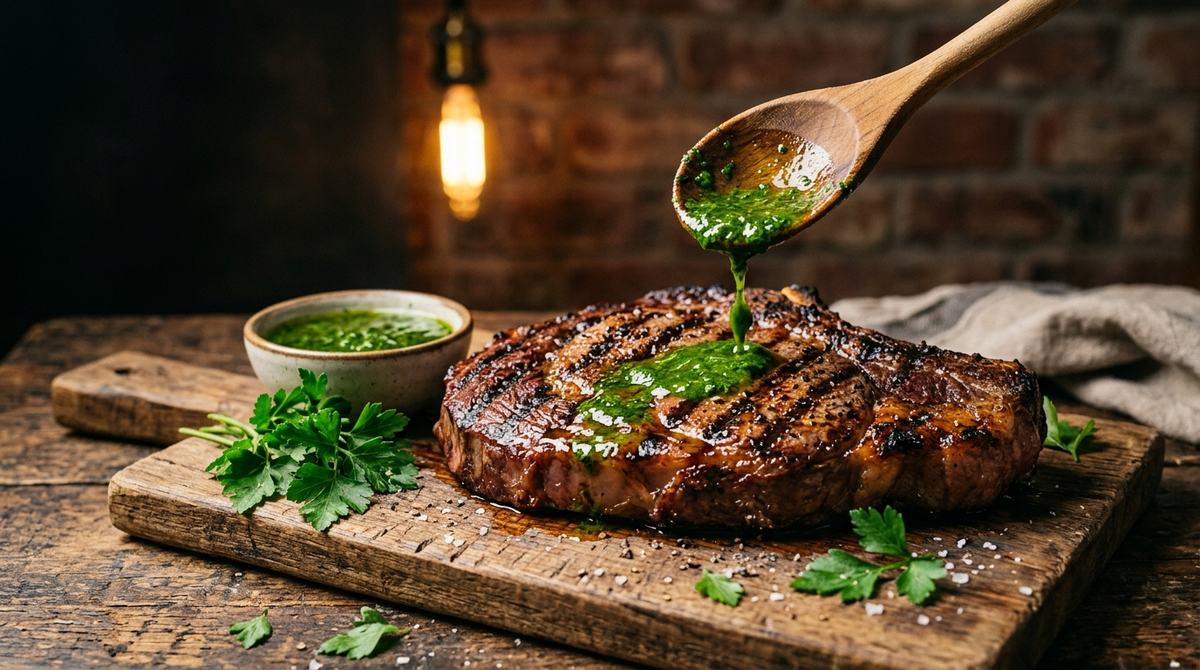
- For grilled red meats (steak, ribs, chorizo): Chimichurri, guasacaca, salsa criolla, zhoug. The meat’s richness is balanced by acidity and herbs.
- For roasted or grilled chicken: Wasakaka, mojo verde, chermoula. Chicken soaks up citrusy and spiced flavors beautifully.
- For pork (ribs, loin, pulled pork): Guasacaca, salsa criolla, Italian salsa verde. Creaminess and acidity complement pork’s fat.
- For fish and seafood: Mojo verde, chermoula, gremolata, tzatziki. Lighter, fresher flavors that don’t overpower the fish.
- For burgers: Guasacaca, pesto, salsa criolla, tzatziki. At Valerio Burger Club, green and herb sauces like guasacaca are our go-to for giving burgers a gourmet edge.
- For lamb: Chermoula, zhoug, Italian salsa verde. Bold spices and umami bring out lamb’s flavor.
If you want a sauce for a mixed grill spread, chimichurri is still king, but guasacaca and salsa criolla are excellent runners-up. And if you’re after more heat, zhoug or mojo picón will win you over.
At Valerio Burger Club
At the club, we love experimenting with sauces. Our burgers are grilled and smoked over local woods, and we’re always looking for the sauce that makes each ingredient shine. The green and herb sauces I’ve been telling you about—the guasacaca from my homeland, pesto, chermoula—are exactly the kind of flavor layer that turns a good burger into a memorable one: freshness, tang, and character that cut through the richness of the meat. And when it’s time to bring the heat, a spicy BBQ sauce works its magic.
All our handcrafted burgers are available for delivery in Santo Domingo. So if reading this gave you a craving, you know where to find us.
Frequently asked questions
What’s the sauce most similar to chimichurri?
Venezuelan guasacaca is the most similar in spirit, but with a creamy texture thanks to the avocado. If you’re looking for something almost identical in texture, Canarian mojo verde (the mild version) is very close, although it uses cilantro instead of parsley.
Which Caribbean sauce is like chimichurri?
Dominican wasakaka is the answer. It shares the garlic, herb, and acidity base, but uses bitter orange instead of vinegar and has a more citrusy profile. Venezuelan guasacaca also qualifies—it’s creamier but just as herbaceous.
Can I substitute guasacaca for chimichurri on a burger?
Absolutely. In fact, guasacaca is one of the best sauces for burgers because its creaminess blends so well with the meat and bun. At Valerio Burger Club, we use it on several of our burgers and it’s spectacular.
Which green sauce goes best with grilled meat?
It depends on the cut. For red meats, chimichurri and guasacaca are unbeatable. For chicken, wasakaka or mojo verde. For pork, salsa criolla or Italian salsa verde. If you want heat, zhoug is perfect.
Are salsa criolla and chimichurri the same thing?
No, even though they’re both Argentine and go with grilled meats. Salsa criolla includes diced tomato, onion, and bell pepper, and is fresher and juicier. Chimichurri is an emulsion of herbs, garlic, vinegar, and oil—thinner and more herbaceous. They’re complementary, not the same.
From the blog to your table
In Santo Domingo? Don't read on an empty stomach.
Order your favorite burger from Valerio Burger Club and we’ll deliver it to your door. Beef ground daily, artisan buns and house-smoked meats.
Keep reading
 Recipes
 Brioche Burger Buns: The Chef's Recipe
How to make brioche burger buns step by step: ingredients in grams, kneading, fermentation, and the egg wash. The soft, golden crumb that holds up to the sauce.
 Recipes
 Homemade Mustard: Easy Recipe with Seeds (and Variations)
How to make homemade mustard from scratch: ingredients, the step-by-step method, the variations (whole-grain, Dijon, honey mustard, spicy) and how to store it.
 Recipes
 Air Fryer Burgers: Juicy Patties, Time and Temperature
How to make burgers in an air fryer step by step: the ideal temperature (375°F/190°C), the times for each doneness, and the tips for juicy patties.