
Recipes
Venezuelan Tartar Sauce: Chef's Recipe in 10 Minutes
The Venezuelan Tartar Sauce That Isn’t Really Tartar (And Why We Love It)
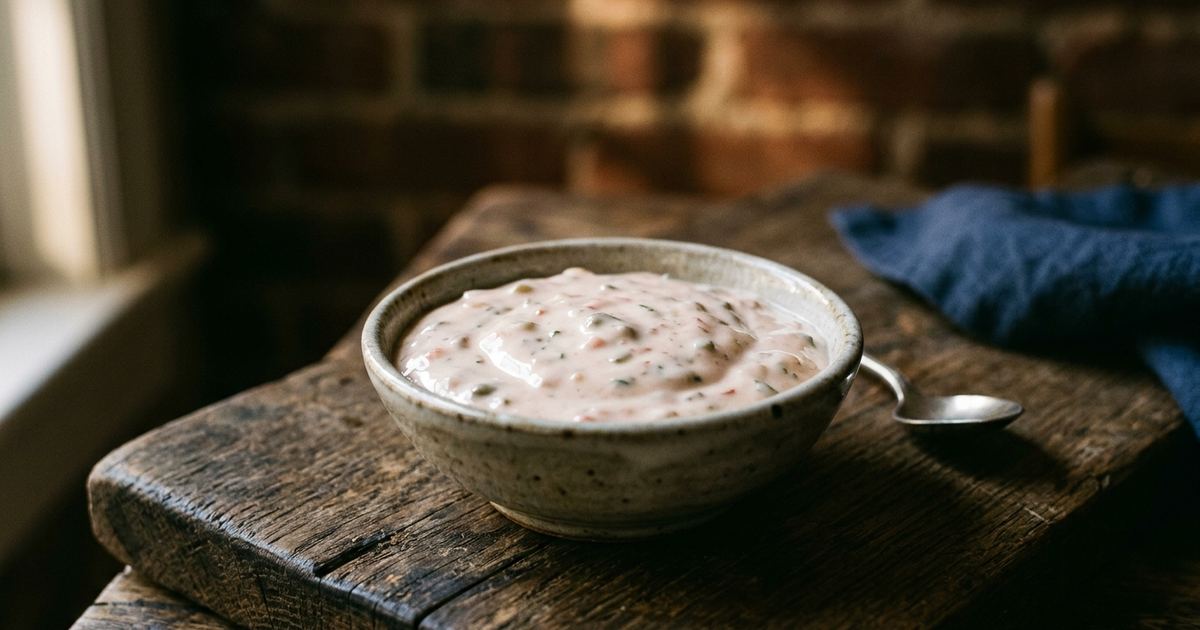
If you ever ordered tartar sauce in Venezuela and got served a pink, creamy mixture, don’t worry—you weren’t being pranked. You were tasting Venezuelan tartar sauce, which has almost nothing to do with the French version of mayonnaise, capers, and parsley.
Here, tartar sauce is the queen of tequeños, the soul of the perro caliente, and the indispensable companion to anything fried. It’s a white or pink sauce—depending on your ketchup craving—with a mayonnaise-and-mustard base and that addictive crunchy bite of onion and pickles.
I grew up watching my grandmother make it by eye, no recipe, in a peltre bowl while the tequeños sizzled golden. Today I’m sharing my exact version, with measurements and the street-smart trick I picked up along the way.
Ingredients
| Ingredient | Amount |
|---|---|
| Mayonnaise | 1 cup · 8 oz (240 g) |
| Yellow mustard (Heinz or French’s style) | 2 tablespoons · 1 oz (30 ml) |
| Ketchup (optional, for the pink version) | 1 tablespoon · 0.5 oz (15 ml) |
| Finely chopped white onion | ¼ cup · 1.4 oz (40 g) |
| Sweet or dill pickles | ¼ cup · 1.4 oz (40 g), chopped |
| Drained and chopped capers | 1 tablespoon · 0.3 oz (8 g) |
| Lemon juice | 1 tablespoon · 0.5 oz (15 ml) |
| Salt | ½ teaspoon (2 g) |
| Ground white pepper | ¼ teaspoon (1 g) |
Creole variation: Some add 1 tablespoon of garlic sauce (mashed garlic with oil and mayonnaise) to amp up the flavor. I do this when I’m serving it with fries.
Step by Step
- Prep the pickles. Finely chop the onion, pickles, and capers. If the pickles are large, aim for lentil-sized pieces. Drain them well so they don’t release water into the sauce.
- Whisk the base. In a medium bowl, mix the mayonnaise with the mustard. If you want the traditional pink version (the one you see at tequeño stands), add the ketchup. Use a fork or hand whisk—don’t overbeat, just combine.
- Add the solids. Stir in the onion, pickles, and capers. Fold gently to distribute everything evenly.
- Add the lemon juice. Lemon doesn’t just add acidity; it also keeps the mayonnaise from feeling greasy. Mix again.
- Season. Add the salt and white pepper. Taste with a piece of bread or a cold tequeño (I always taste this way, like on the street). Adjust salt if needed.
- Magic rest. Cover the bowl with plastic wrap and refrigerate for at least 30 minutes. Venezuelan tartar sauce gets better with cold: the flavors marry, the onion softens, and the texture firms up.
- Check the consistency. When you take it out, if it’s too thick (which happens if you used very dense mayonnaise), thin it with a tablespoon of water or milk. It should have a spreadable sauce texture, not a paste.
What to Eat It With
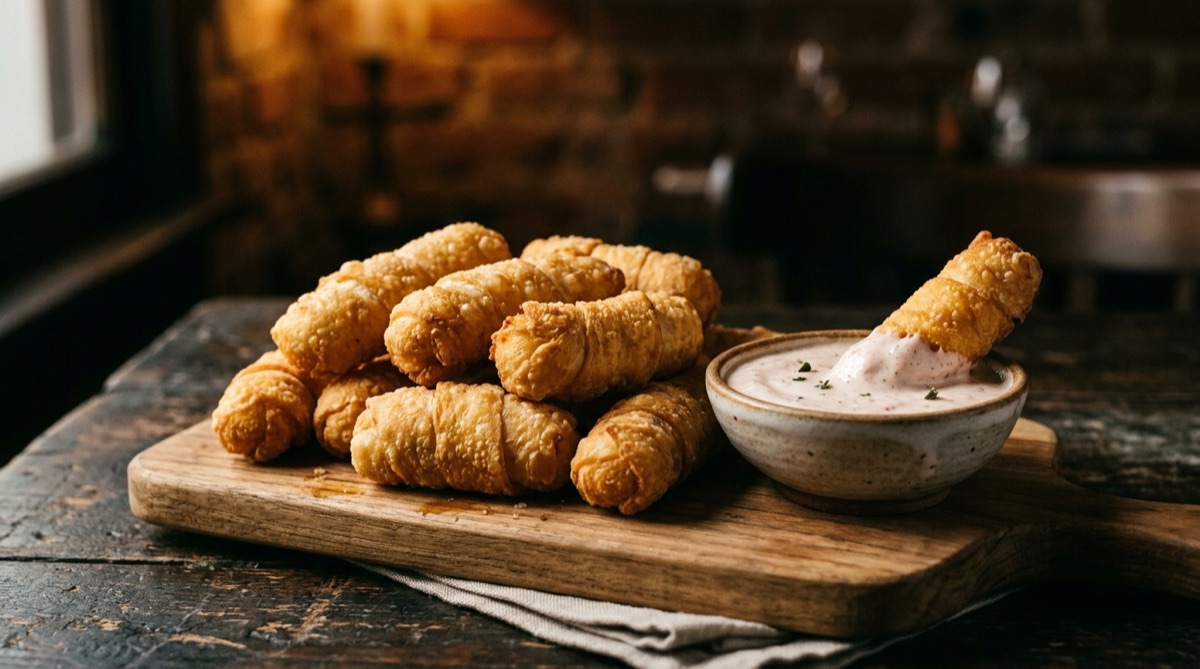
- Tequeños: The ultimate pairing. Melted cheese with this sauce is a direct ticket to Zulia.
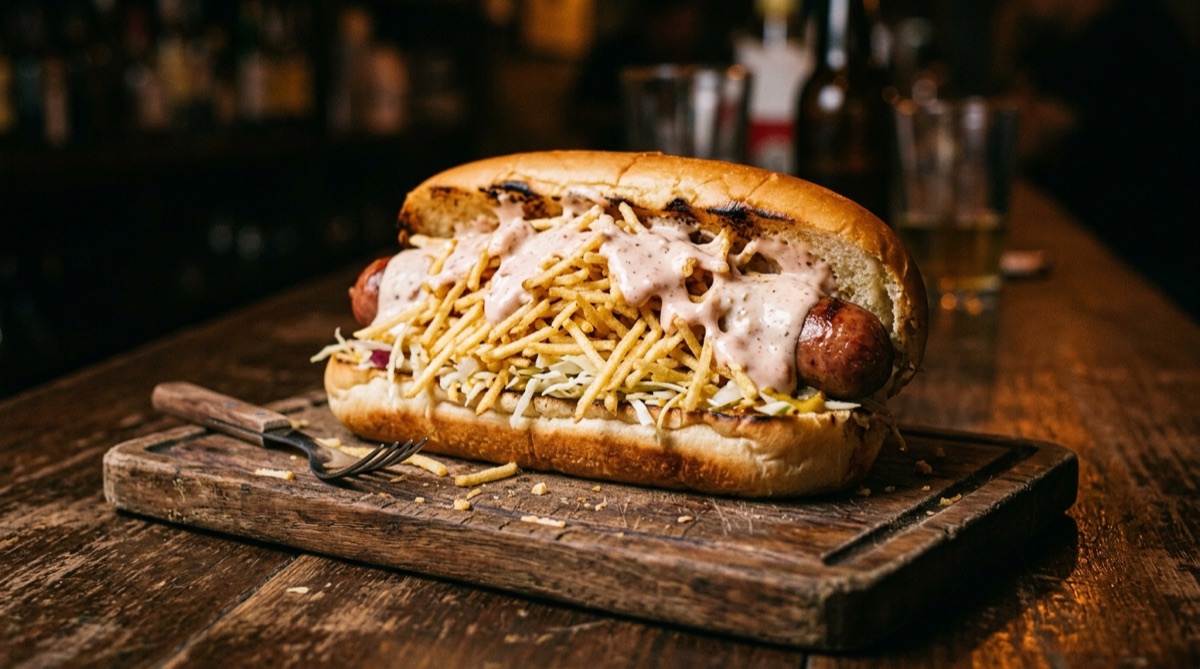
- Venezuelan perro caliente: Nobody in Venezuela eats a hot dog without a generous drizzle of tartar sauce. Yes, on top of the ketchup and mustard. I have a special hot-dog version that’s thinner, made for the squeeze bottle.
- Tostones (patacones): The creaminess of the sauce contrasts with the crunch of green plantain.
- French fries: Whether shoestring, criollas, or rustic cuts—dipping them in this sauce is addictive.
- Venezuelan empanadas: Especially shredded beef or cheese ones. A dab of tartar sauce on top balances the fried dough.
Chef’s Touch
I’m Venezuelan, and in my house, tartar sauce is made with plain yellow mustard, not Dijon or honey mustard. But if there’s one secret I learned from the street stalls on Avenida Libertador in Caracas, it’s this: a splash of garlic sauce (mashed garlic with mayonnaise and oil, rested for a day) transforms the sauce into something richer and more rounded.
And since we’re talking accompaniments: at Valerio Burger Club, we love crispy fries. If you ever get served golden-brown fries with a white sauce that smells like pickles, remember this trick: add the lemon juice just before serving, not before the rest. The acidity stays bright, and every bite tastes like the first time.
FAQ
How long does Venezuelan tartar sauce last in the fridge?
Well sealed in a glass jar, it keeps for 5 to 7 days. After a week, the onion starts releasing water and the texture turns watery. I don’t recommend freezing it—mayonnaise separates when thawed.
What’s the difference between Venezuelan and French tartar sauce?
Classic French tartar sauce is mayonnaise, capers, pickles, parsley, tarragon, and hard-boiled egg yolk—no mustard or ketchup. The Venezuelan version is creamier and milder, uses mustard as an aromatic base, and the pink version has ketchup, which gives it that signature color and a touch of sweetness the French version lacks.
Can I make it without ketchup? What’s it like?
Yes, absolutely. The white version (without ketchup) is just as popular in Venezuela, especially in the eastern regions. It turns out slightly more acidic from the mustard, ideal for seafood or fried fish. If you skip the ketchup, compensate with a little extra lemon juice to keep it fresh.
What mustard should I use? Does powdered mustard work?
The best is prepared yellow mustard (Heinz, French’s, or store brand). Powdered mustard dissolved in water comes out too harsh and loses the creamy texture. I also don’t recommend Dijon—its white wine flavor clashes with this sauce’s simple, straightforward profile. Save the gourmet mustards for other uses.
From the blog to your table
In Santo Domingo? Don't read on an empty stomach.
Order your favorite burger from Valerio Burger Club and we’ll deliver it to your door. Beef ground daily, artisan buns and house-smoked meats.
Keep reading
 Recipes
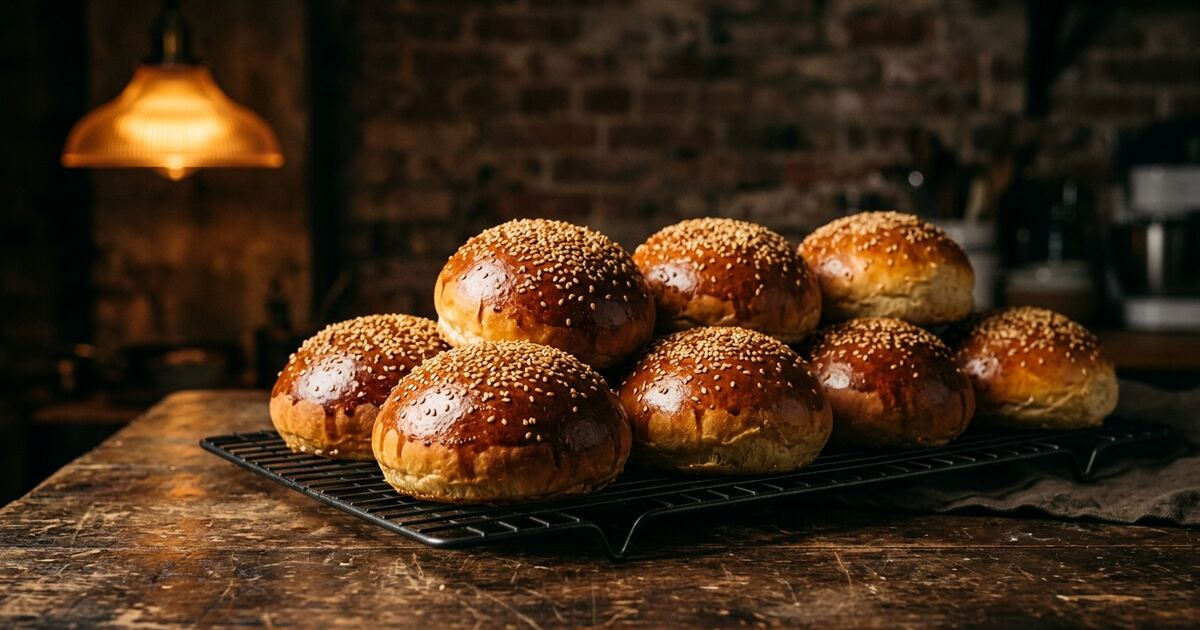
 Brioche Burger Buns: The Chef's Recipe
How to make brioche burger buns step by step: ingredients in grams, kneading, fermentation, and the egg wash. The soft, golden crumb that holds up to the sauce.
 Recipes
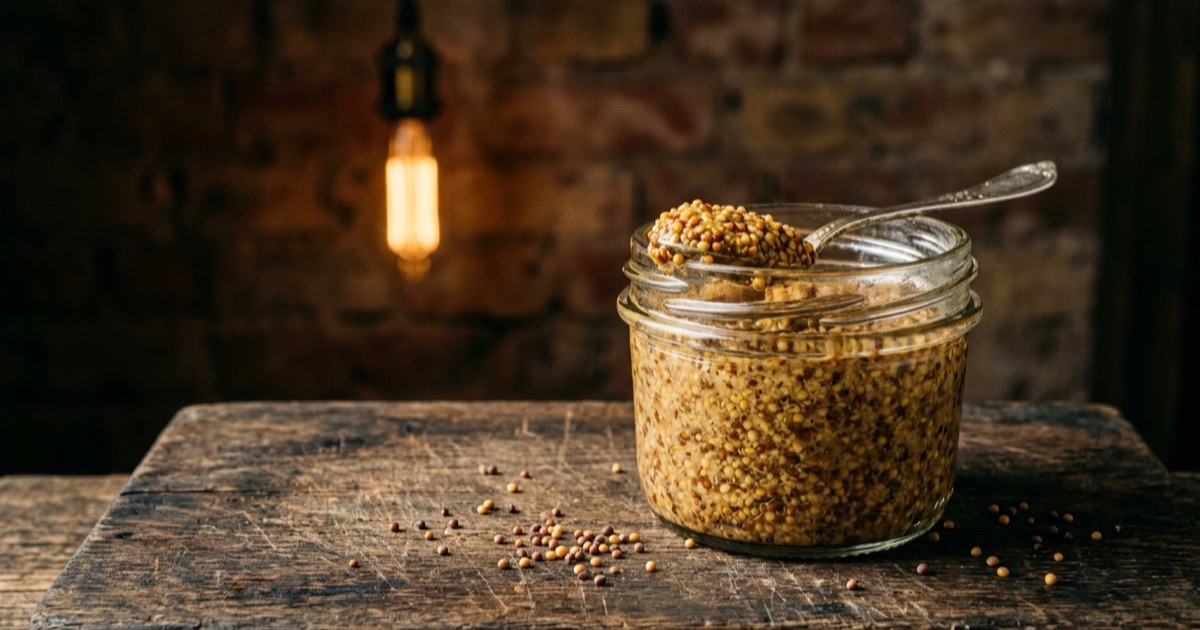
 Homemade Mustard: Easy Recipe with Seeds (and Variations)
How to make homemade mustard from scratch: ingredients, the step-by-step method, the variations (whole-grain, Dijon, honey mustard, spicy) and how to store it.
 Recipes
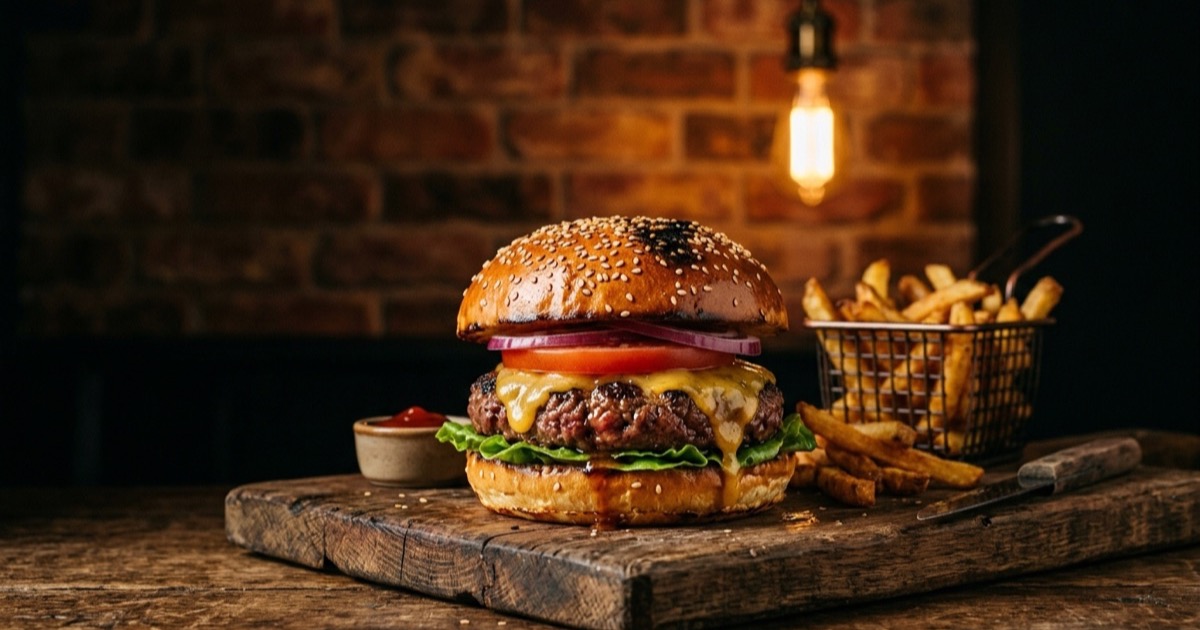
 Air Fryer Burgers: Juicy Patties, Time and Temperature
How to make burgers in an air fryer step by step: the ideal temperature (375°F/190°C), the times for each doneness, and the tips for juicy patties.